
Color reproduction: a complete overview
Color reproduction is a critical aspect of color samplings’ manufacturing, influencing everything from product development to customer satisfaction. This comprehensive overview will delve into the technologies, challenges, and best practices essential for achieving precise color fidelity. By focusing on key insights and expert recommendations, we aim to equip enterprises with the knowledge needed to choose the best partner in color reproduction.
Understanding color reproduction
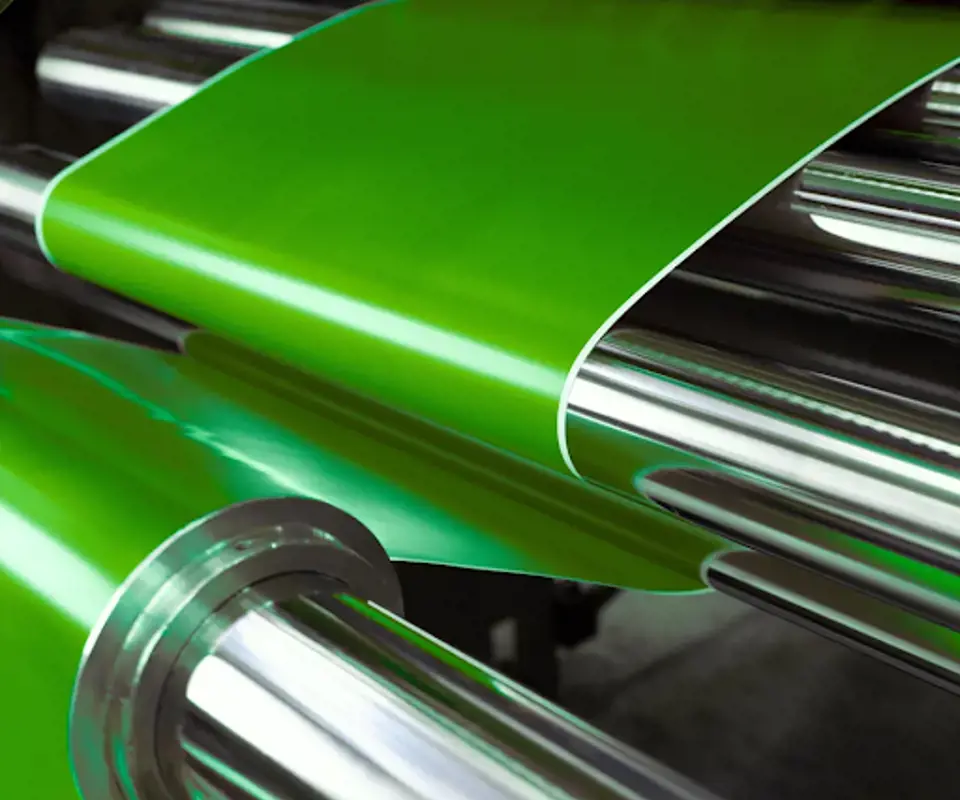
Color reproduction refers to the process of replicating colors from a source material to a final product, maintaining consistency and accuracy. In the context of decorative paints and powder coating, this involves translating digital or physical color samples into paint formulations that produce the desired hue when applied.
Key concepts are:
-
Color Fidelity: The degree to which the reproduced color matches the original.
-
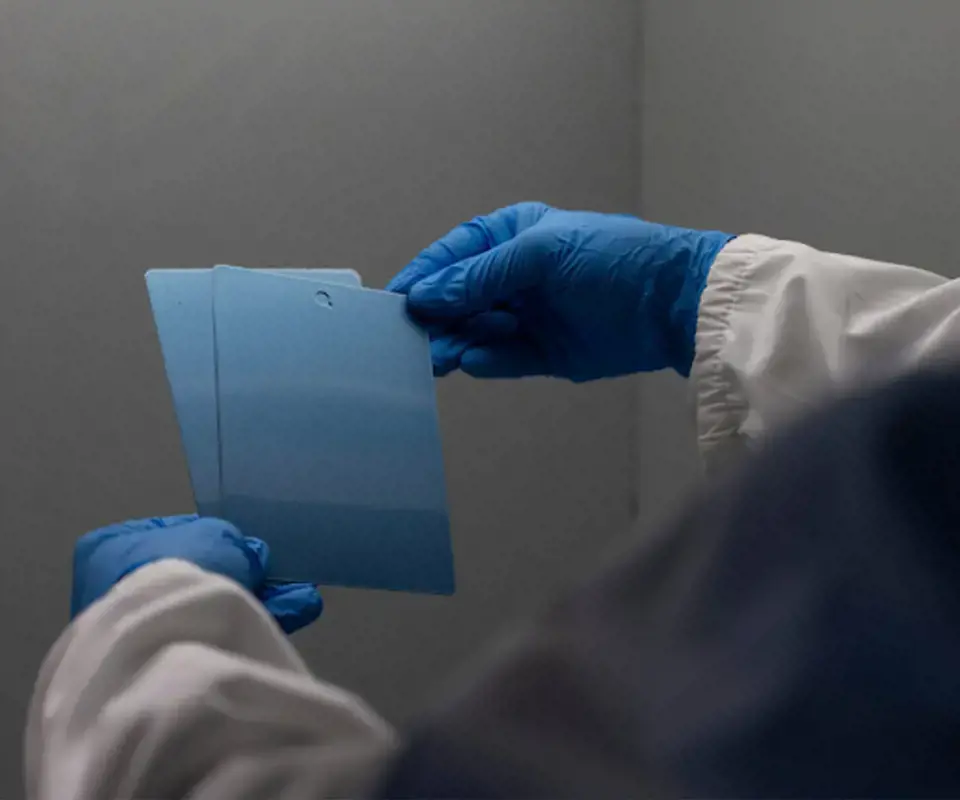
Metamerism: A phenomenon where colors appear differently under various lighting conditions.
-
Gamut: The range of colors that can be produced by a given medium.
Technologies in color reproduction
Advancements in technology have revolutionized color reproduction in the decorative paint industry. Main technologies include:
-
Spectrophotometers: these devices measure the color of samples by analyzing their spectral data, providing precise color readings that guide formulation adjustments.
-
Color matching software: advanced algorithms in software help in creating paint formulas that match desired colors by simulating how different pigments interact.
-
Digital colorimeters: used for on-site color matching, these portable devices ensure that paint applied in the field matches the original color specifications.

Color reproduction in different industries
Color reproduction is never a universal problem, it's a sector-specific one. The stakes, the substrates, and the tolerances change dramatically depending on where color needs to land.
- In decorative paint, a fan deck that misrepresents a hue erodes trust before a single tin leaves the shelf. The challenge it's consistency across thousands of chips produced in different batches, months apart.
- In automotive, a body panel and a bumper produced by different suppliers must match under dealership lighting, under sunlight, and under the scrutiny of a customer running their hand along the finish. Color drift between components is not a visual nuance.
- Powder coating introduces variables that liquid paint does not: curing temperatures, film thickness, and substrate absorption all affect the final appearance in ways that cannot be fully predicted from a wet sample. Accurate color sampling means accounting for the transformation that happens in the oven.
- In wood finishing, no two panels are identical. Color reproduction must work with the grain, porosity, and undertones of the substrate: a sample that looks right on MDF may read entirely differently on oak.
Understanding which industry you are operating in is the first step toward defining what accurate color reproduction actually means for your product.
Common color reproduction challenges and best practices
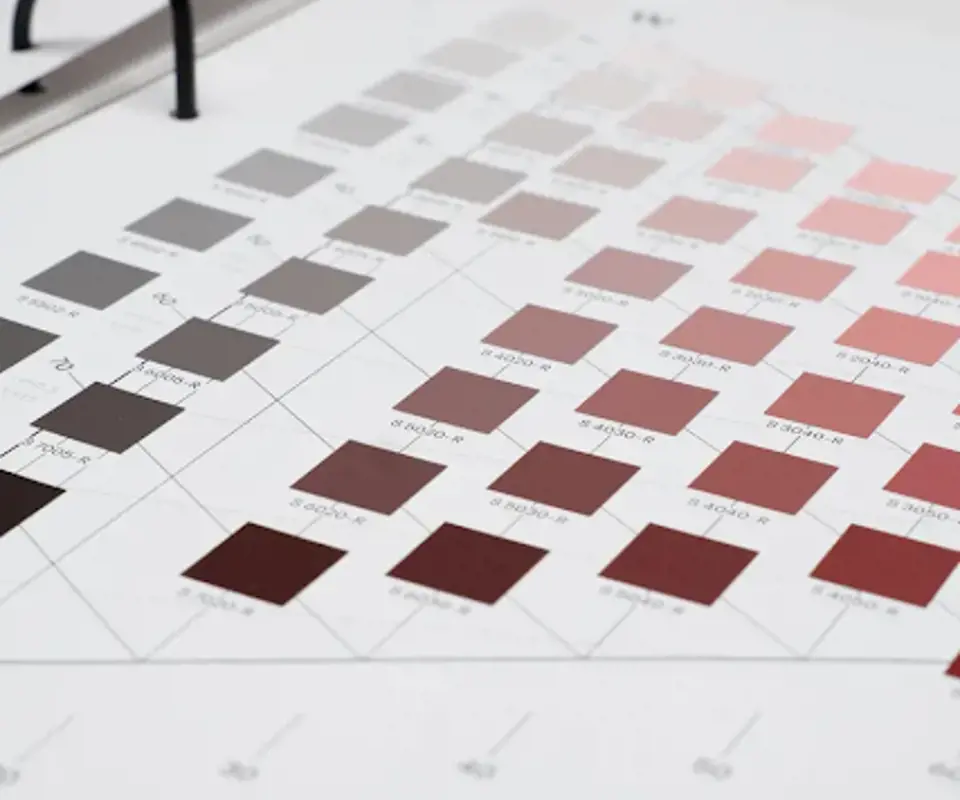
Achieving accurate color reproduction is rarely a problem of technology alone. The most persistent obstacles sit at the intersection of materials, environment, and human judgment.
-
Batch-to-batch variation: pigment lots differ, suppliers change formulations without notice, mixing ratios drift over time. The only reliable counter is a structured approval process where every new batch is matched against the original client reference before production proceeds.
-
Metamerism: two samples can appear identical under standard illuminant and diverge visibly under incandescent or LED light. Multi-illuminant assessment at the color approval stage is the baseline.
-
Substrate influence: the same formulation applied to coated paper, brushed aluminum, or textured plastic produces perceptibly different results. Sampling must always replicate actual production conditions, not approximate them.
-
Environmental factors: temperature, humidity, and ambient lighting introduce instability that only calibrated instruments and controlled viewing conditions can reliably neutralize.
The role of Color Project European
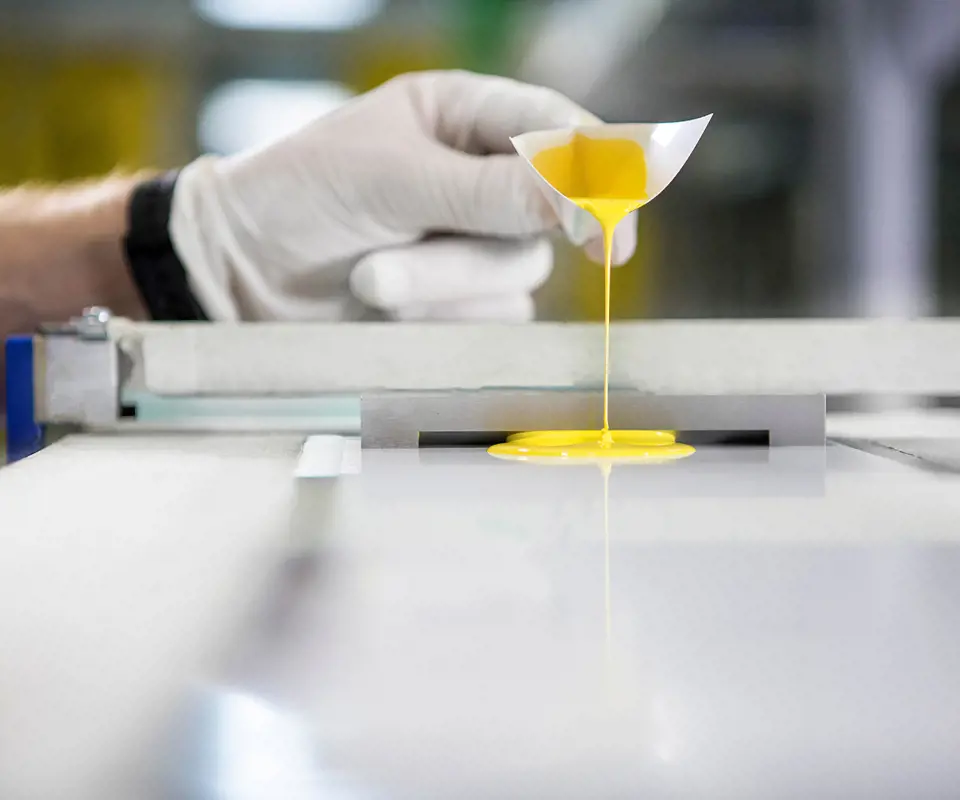
We, as a leader in the field, exemplify best practices in color reproduction. Our manufacturing process highlights the integration of cutting-edge technologies and stringent quality control measures to achieve superior color fidelity.
Our products
Color Project European offers a diverse range of color sampling solutions using solvent- and water-based paints, varnishes, and powder coatings. The five main products are:
-
Full-page fan decks: Comprehensive color samples displayed on full pages for detailed examination.
-
Striped fan decks: Conveniently striped samples for quick comparison of multiple colors.
-
Color books: Organized collections of color samples in a book format for easy reference.
-
Color charts and posters: Visual guides for a broad range of colors, perfect for display and consultation.
-
Color brochures: Informative brochures featuring various color options and details.
Contact us